
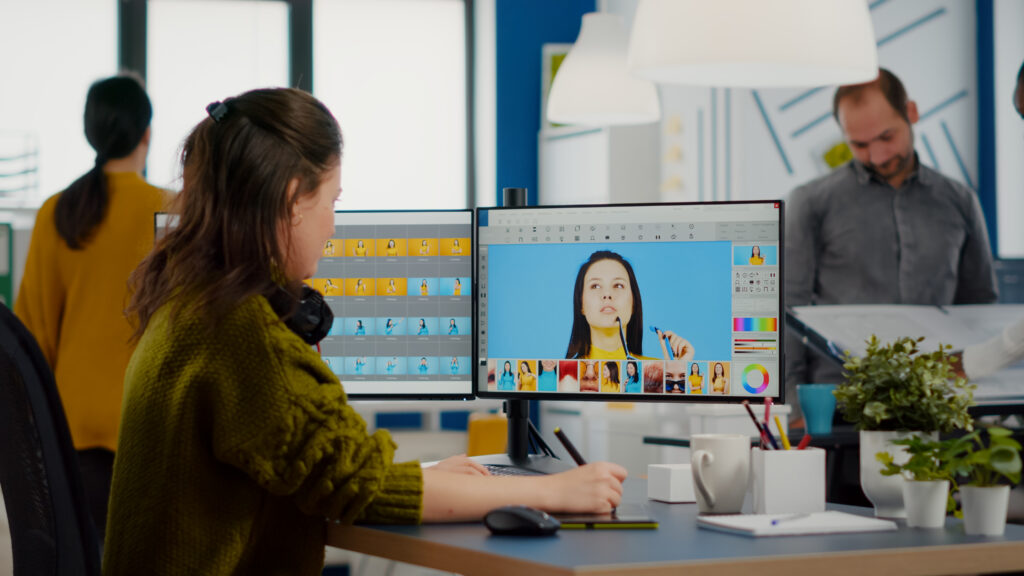
The Hidden Cost of In-House Photo Editing
You’ve been there before: a product launch is 2 weeks away, you have 500 images that need ghost mannequin effects, color correction, and clipping paths—and your in-house team is already drowning in the last seasonal collection.
Something has to give. Either you push the deadline (and disappoint stakeholders), rush through edits (and compromise your brand’s visual standards), or pull your designers off strategic work to handle repetitive retouching tasks.
None of these options are good. Yet this is the reality for thousands of e-commerce brands and professional photographers managing photo editing in-house.
The truth is: managing in-house photo editing shouldn’t mean choosing between speed and quality. For 21 years, we’ve helped 4,000+ e-commerce brands and photographers scale their visual production without the chaos—delivering pixel-perfect results on your timeline, every time.
Here’s why the in-house editing model breaks down, and how leading brands are solving it.
Why In-House Photo Editing Creates Chaos
1. Seasonal Volume Spikes Overwhelm Fixed Teams
Your Q4 product catalog might require 3x the editing capacity of Q2. But you can’t hire (and train) 3x the editors for a 6-week surge, then let them go.
The result? Your permanent team works overtime, quality suffers, burnout increases, and deadlines slip.
The cost isn’t just operational—it’s strategic. When your in-house designers are stuck removing backgrounds instead of creating campaign assets, you’re wasting your most valuable creative talent on repetitive tasks.
2. Inconsistent Quality Across Large Batches
When you’re editing 100+ product images, maintaining brand-consistent quality is harder than it looks. Different editors have different techniques. Fatigue sets in. Small inconsistencies compound across your catalog.
For e-commerce brands, this inconsistency is deadly. Customers notice when product photos look different across your site—and it erodes trust.
85% of Studio Metrodesk clients report improved productivity specifically because they no longer waste time on quality control revisions and re-edits.
3. Specialized Techniques Require Specialized Expertise
Ghost mannequin effects for apparel. Multi-clipping paths for jewelry. Complex masking for furniture with intricate details.
These aren’t skills your average graphic designer learned in school. They require specialized training, practice, and muscle memory that only comes from editing thousands of similar images.
Building this expertise in-house means months of training, expensive mistakes, and ongoing skill development—all while your product launches wait.
4. Workflow Bottlenecks Kill Momentum
Photo editing sits right in the middle of your production workflow. When it becomes a bottleneck, everything downstream stalls:
- Marketing can’t launch campaigns
- E-commerce can’t update product pages
- Sales can’t share new catalog materials
- Agencies can’t deliver client projects
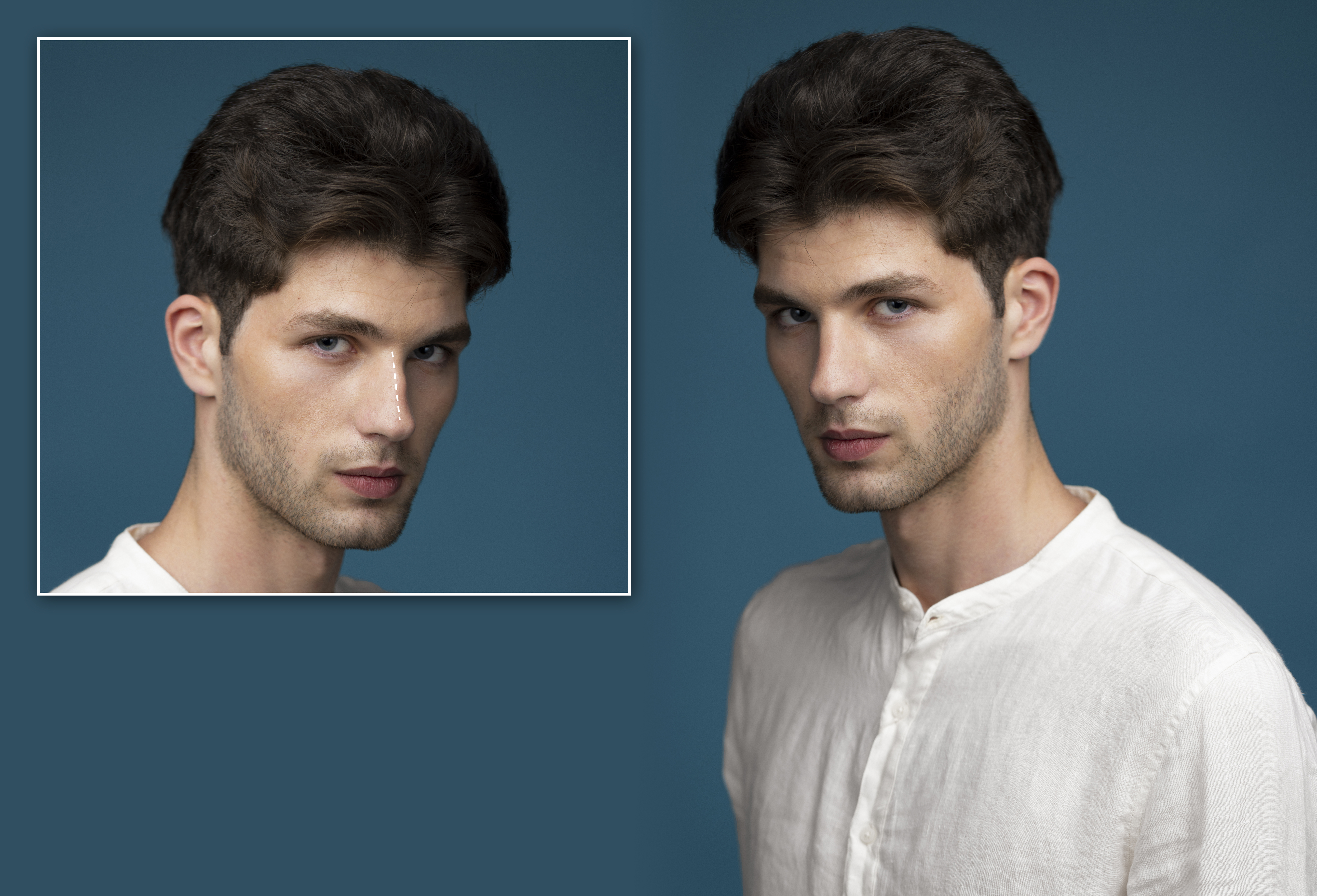
88% of Studio Metrodesk clients say they take on more photography projects after partnering with us—because editing is no longer the constraint.
The False Choice: Speed vs. Quality
When deadlines loom, most teams face an impossible choice:
Option A: Rush the edits
- Inconsistent color correction
- Sloppy clipping paths
- Missed details and blemishes
- Brand standards compromised
Option B: Miss the deadline
- Delayed product launches
- Lost revenue opportunities
- Frustrated stakeholders
- Competitive disadvantage
Option C: Pull designers off strategic work
- No bandwidth for creative campaigns
- Repetitive tasks kill morale
- Strategic initiatives get deprioritized
- Long-term brand building suffers
This is a false choice. You shouldn’t have to sacrifice quality for speed, or vice versa.
How Leading Brands Scale Visual Production Without Chaos
The most successful e-commerce brands and photography studios have figured out a better approach: they separate strategic creative work from specialized production work.
Your in-house team focuses on:
- Brand strategy and creative direction
- Campaign concepts and art direction
- Customer experience and visual storytelling
- Strategic design that differentiates your brand
While specialized production partners handle:
- High-volume product editing
- Consistent, repeatable retouching techniques
- Specialized skills (ghost mannequin, jewelry retouching, etc.)
- Flexible capacity that scales with your needs
This isn’t outsourcing to save money—it’s strategic resource allocation that maximizes your team’s impact.


